What Is Psychotherapy
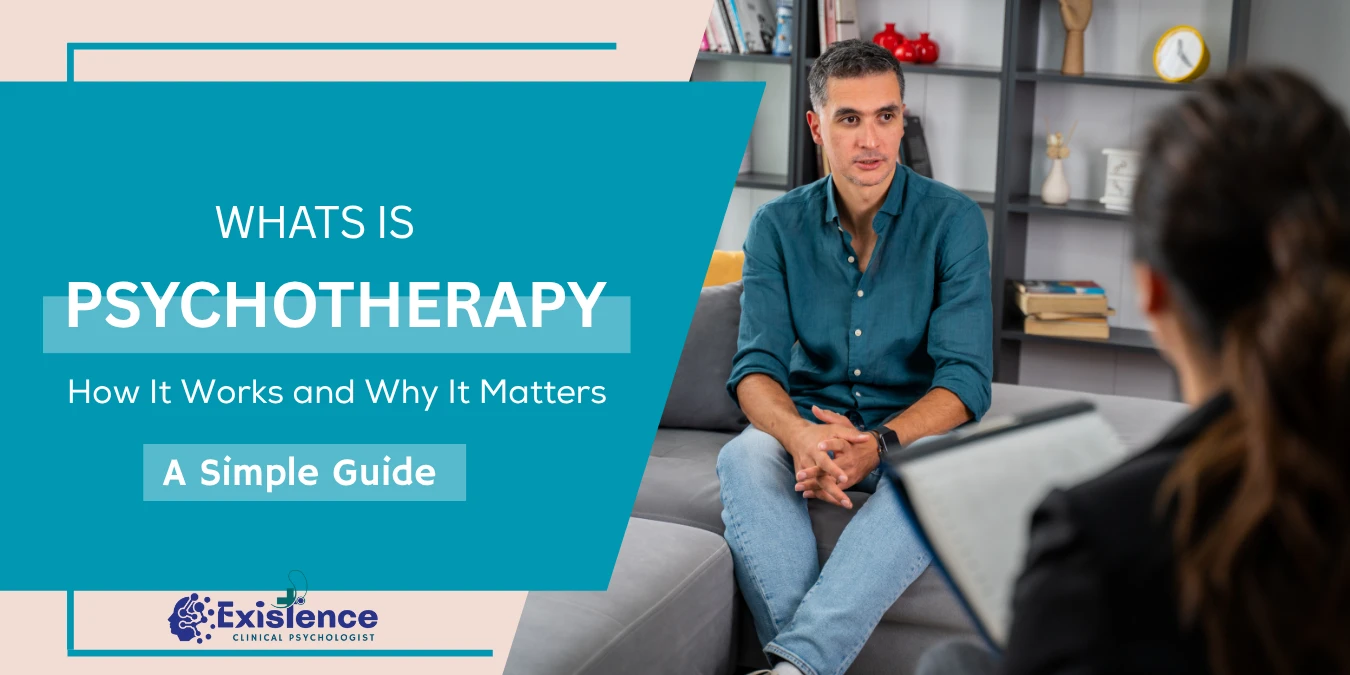
Psychotherapy, often called talk therapy, is a treatment where you work with a trained therapist to explore thoughts, emotions, and behaviors that may be causing distress. It helps you understand patterns, build coping skills, and find healthier ways to manage life’s challenges. According to the American Psychological Association, psychotherapy is an evidence-based process that supports people in improving mental health and emotional well-being. In simple terms, it’s a safe space to talk, reflect, and grow with professional guidance.
Why People Choose Psychotherapy
People choose psychotherapy services for many reasons. Sometimes it’s about dealing with immediate stress, and other times, it’s about understanding deeper emotional struggles that have built up over time.
Common reasons include:
- Coping with life stress or burnout
- Processing grief or loss
- Managing depression or anxiety
- Healing from trauma or abuse
- Working through relationship or family issues
- Improving self-esteem or confidence
About 75% of people who receive psychotherapy experience noticeable improvement, according to research from the APA. It’s not only for those with diagnosed conditions — many use it as a tool for personal growth, emotional clarity, and better relationships.
How Psychotherapy Actually Works: Mechanisms and Methods
Psychotherapy works through a mix of conversation, reflection, and structured techniques. The process is built on what professionals call the therapeutic alliance — a trusting relationship between you and your therapist. This bond itself plays a big role in healing.
- Cognitive restructuring: identifying and changing unhelpful thought patterns.
- Skill-building: learning ways to manage stress, communicate better, or solve problems.
- Exposure work: safely facing fears or triggers to reduce anxiety.
- Insight development: understanding how past experiences influence current emotions.
Sessions usually last 45–60 minutes. You might get homework between sessions — journaling, practicing mindfulness, or applying new coping strategies. There are also short-term therapies (around 6–20 sessions) focused on specific problems like anxiety or phobias, and long-term therapies that explore deeper emotional themes, such as childhood patterns or identity issues.
Major Types of Psychotherapy and When They’re Used
There isn’t one single kind of psychotherapy. Therapists choose the approach based on what fits best for the person and their situation. Here are some of the main types:
Cognitive Behavioral Therapy (CBT)
Cognitive Behavioral Therapy (CBT) focuses on how thoughts influence emotions and behavior. It helps people identify negative thinking patterns and replace them with balanced, realistic ones. CBT is widely used for anxiety, depression, phobias, and stress. It’s practical, goal-oriented, and often short-term, with measurable progress.
Dialectical Behavior Therapy (DBT)
Dialectical Behavior Therapy (DBT) builds on CBT but adds skills like mindfulness, emotional regulation, and distress tolerance. It’s especially helpful for people who experience intense emotions, borderline personality disorder, or self-harming behaviors. DBT teaches balance — accepting yourself while working toward change.
Psychodynamic Therapy
Psychodynamic therapy explores how unconscious thoughts and past experiences shape your current life. It’s an insight-oriented approach, often used for long-standing emotional struggles, relationship issues, or low self-esteem. The focus is on understanding the “why” behind patterns of behavior.
Interpersonal Therapy (IPT)
Interpersonal Therapy (IPT) deals with improving relationships and social functioning. It’s especially effective for grief, depression, and life transitions like divorce or job loss. IPT helps people communicate better and resolve conflicts that affect their mood.
Family, Couples, Group, Play, and Creative Therapies
Psychotherapy also extends beyond one-on-one sessions, these methods are specific to the problems being addressed, age, and personality.
- Family therapy helps improve understanding and communication within families.
- Couples therapy focuses on trust, conflict resolution, and emotional connection.
- Group therapy allows people with similar challenges to learn and heal together.
- Play therapy supports children in expressing feelings through play.
- Art or music therapy uses creative expression as a pathway to healing.
Who Provides Psychotherapy and How to Choose a Therapist
Psychotherapy can be provided by psychologists, psychiatrists, counselors, social workers, or other licensed mental health professionals. The key is to find someone qualified and compatible with your goals.
Here’s a practical checklist:
- License and credentials: Make sure your therapist is certified in your state or region.
- Specialization: Some focus on trauma, others on couples or child therapy.
- Approach: Learn what kind of therapy they offer — CBT, DBT, etc.
- Comfort and communication: You should feel safe and heard.
- Cost and insurance: Check coverage or ask about sliding-scale fees.
- Setting: Choose between in-person or telehealth sessions based on convenience.
How Long Does Therapy Take & What Outcomes to Expect
The length of psychotherapy varies. Some people start feeling better after 6–12 sessions, while others may continue for months or years. Short-term therapy usually focuses on solving a specific issue. Long-term therapy helps you understand deeper emotional patterns.
Progress depends on your commitment, goals, and the severity of the concern. Many clients notice gradual change — better coping, improved relationships, more self-awareness.
Evidence: What the Research Says
Research across decades consistently shows that psychotherapy is highly effective for a wide range of conditions — from anxiety and depression to trauma, addiction, and chronic stress.
Meta-analyses reviewed by the APA found that people who receive therapy are better off than 80% of those who don’t. Neuroimaging studies also show that psychotherapy can lead to positive brain changes — strengthening emotional regulation and problem-solving areas.
Evidence-based therapies like CBT, DBT, and IPT are supported by strong clinical data, and the overall success rate across studies remains high. Psychotherapy not only improves mental health but also enhances quality of life, relationships, and resilience.
Common Myths and Misconceptions
Many people hesitate to start therapy because of misunderstandings. Breaking these myths helps normalize seeking help — therapy is a sign of strength, not weakness. Here are a few common myths.
- Myth: Therapy is only for “crazy” people.
Reality: Therapy is for anyone who wants emotional growth or support. - Myth: Talking about problems makes them worse.
Reality: Discussing emotions helps release tension and gain clarity. - Myth: Therapists just listen and nod.
Reality: They actively guide you through structured, evidence-based techniques. - Myth: You must have a big problem to go to therapy.
Reality: Many people use it for self-improvement, not crisis.
Practical Tips for Getting the Most from Therapy
Following these steps helps make therapy more productive and empowering.
- Set clear goals for what you want to achieve.
- Be open and honest — even when it’s uncomfortable.
- Take notes or journal between sessions.
- Do your homework if your therapist assigns tasks.
- Give feedback if something isn’t working.
- Track your progress — small changes matter.
- Commit to consistency — therapy takes time and trust.
Conclusion
Psychotherapy isn’t just about talking; it’s about understanding yourself and learning tools to live better. Whether you’re struggling or simply want to grow, therapy offers a space to rebuild clarity, calm, and confidence.
How Existence Clinics’s Psychotherapy Service Can Help You
Existence Clinics offers evidence-based psychotherapy including CBT, DBT, and interpersonal therapy, provided by licensed professionals.
Sessions are available both in-person and online. To schedule a consultation, visit our contact page.
We accept major insurance and offer flexible fee options.
Frequently Asked Questions
Ans: Psychotherapy focuses on deeper emotional or behavioral patterns, while counseling often deals with immediate life challenges.
Ans: It depends on the person and goals — short-term (6–20 sessions) or long-term for ongoing growth.
Ans: Yes, for many people it does. Some combine therapy with medication for the best results.
Ans: Fees vary, but many insurance plans cover sessions. Some therapists offer reduced or sliding-scale rates.
Ans: Therapy is private, except in cases of harm to self or others, or court-ordered disclosures.
Ans: Look for a licensed professional whose style feels supportive and who has experience with your specific concern.
Ans: You’ll discuss your concerns, goals, and what brought you to therapy. It’s mostly about building trust.
Ans: Yes. Therapists use age-appropriate approaches like play or art therapy to help kids express emotions safely.
Ans: Talk to your therapist about adjusting the approach — change takes time, but your feedback matters.
Ans: Yes, studies show virtual therapy can be just as effective for many conditions.