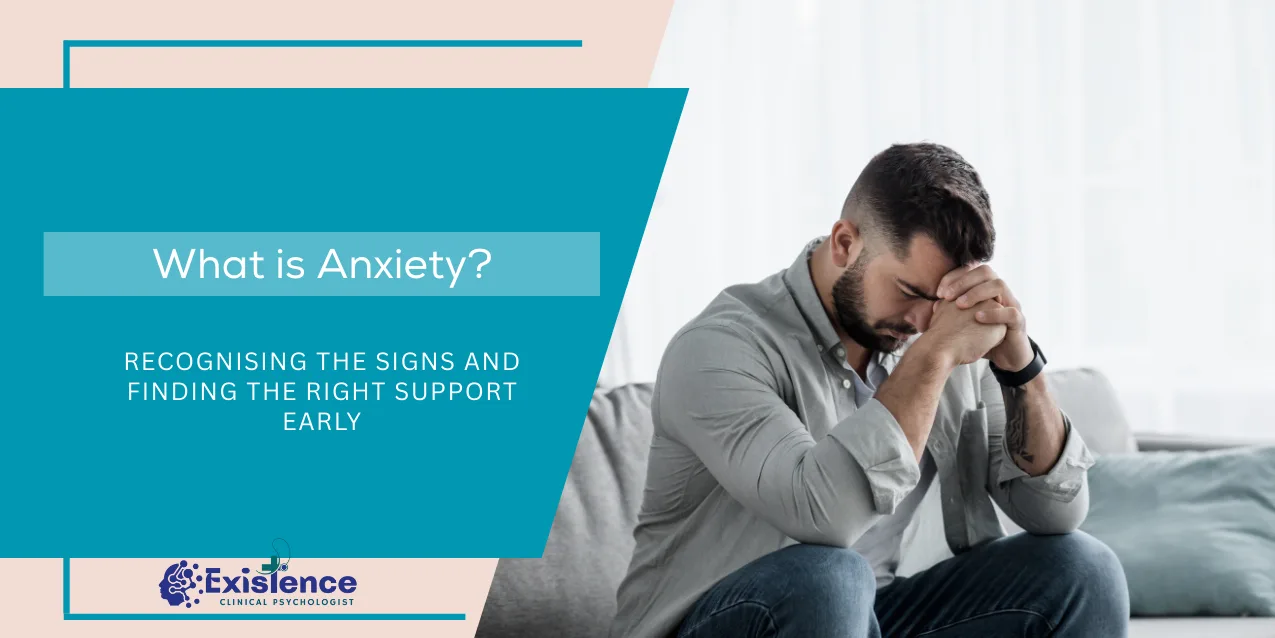
Stress is a normal part of everyday life. Deadlines, responsibilities, and unexpected situations can make anyone feel tense or worried at times. Usually, this stress settles once the situation passes.
Anxiety is different. It doesn’t always go away on its own. When stress stays for long periods and begins affecting your thoughts, body, and daily life, it may be anxiety that needs attention. Over time, this ongoing discomfort can quietly impact how you function, think, and feel.
This guide helps you understand when stress crosses the line and becomes something more serious, and when it may be time to seek professional support.
Understanding the Difference Between Everyday Stress and Anxiety
Stress is usually connected to a specific situation. Anxiety often feels constant, even without a clear reason. While stress reacts to events, anxiety tends to stay in the background and influence your thoughts even during calm moments.
Everyday stress generally:
- Appears during challenging situations
- Reduces after rest or resolution
- Feels manageable most of the time
Stress may feel uncomfortable, but it does not take over your entire emotional state.
Anxiety often:
- Stays even when things seem fine
- Creates constant worry or fear
- Makes it hard to relax or feel calm
When worry becomes persistent and overwhelming, it may be anxiety rather than normal stress.
Emotional and Mental Signs of Anxiety
Anxiety often starts in the mind before it shows up anywhere else. These mental patterns can slowly become part of daily thinking, making it difficult to feel at ease even during routine moments.
You may notice:
- Constant overthinking
- Fear of things going wrong
- Difficulty controlling worries
- Feeling restless or on edge
- Trouble concentrating
These thoughts may feel automatic and difficult to stop, even when you try to distract yourself.
Physical Signs That Anxiety Is Affecting Your Body
Anxiety does not only affect thoughts. It also impacts the body in many ways. When emotional stress continues for long periods, the body often responds with physical symptoms.
Common physical signs include:
- Tightness in the chest
- Rapid heartbeat
- Shortness of breath
- Headaches or stomach discomfort
- Muscle tension or fatigue
When stress reactions happen frequently without a clear cause, anxiety may be involved.
How Anxiety Affects Daily Life Over Time
When anxiety remains unmanaged, it slowly begins to interfere with everyday functioning. Tasks that once felt simple may start to feel emotionally draining or overwhelming.
You may experience:
- Difficulty sleeping or frequent waking
- Avoiding situations that feel stressful
- Reduced performance at work or studies
- Emotional exhaustion
- Feeling disconnected from others
Over time, anxiety can make even simple tasks feel overwhelming.
Situations Where Anxiety Often Develops
Anxiety can develop due to different life situations. Sometimes it follows clear stressors, while at other times it builds slowly without being immediately noticed.
- Long-term stress at work or home
- Relationship difficulties
- Health concerns
- Major life changes
- Past emotional experiences
Sometimes anxiety has a clear trigger. Other times, it develops gradually without an obvious reason.
When Stress Becomes Anxiety That Needs Support
Stress may turn into anxiety when emotional and physical discomfort no longer feels temporary. This is often the point where additional support becomes important.
Stress may turn into anxiety when:
- Worry feels constant and uncontrollable
- Physical symptoms appear regularly
- Daily life feels disrupted
- Rest does not bring relief
- Emotional discomfort lasts for weeks
At this stage, professional support can help prevent anxiety from becoming more intense.
How Therapy Helps in Managing Anxiety
Therapy focuses on understanding anxiety at its root rather than only managing symptoms. It provides a safe space to explore emotional patterns without judgment.
Therapy helps you understand:
- Why anxiety developed
- What triggers anxious thoughts
- How thoughts affect emotions and behaviour
Through therapy, you learn practical ways to:
- Calm the nervous system
- Manage overwhelming thoughts
- Build emotional resilience
- Regain a sense of control
With regular support, anxiety becomes easier to manage through structured and guided care such as
anxiety counselling therapy.
How Existence Clinics Supports Anxiety Care
At Existence Clinics, anxiety is approached with care, understanding, and professionalism.
Our experienced psychologists help individuals identify anxiety patterns and develop healthy coping strategies. We offer both online and in-clinic therapy sessions, allowing you to choose what feels most comfortable.
You don’t have to live in constant worry. Support is available.
Book an appointment today and take the first step toward calm and clarity.
Frequently Asked Questions
Ans: No. Stress is usually temporary and situation-based, while anxiety tends to persist and affect daily life even without a clear reason.
Ans: Mild anxiety may reduce with rest, but persistent anxiety often benefits from professional support to prevent worsening symptoms.
Ans: If anxiety affects sleep, focus, relationships, or peace of mind for weeks, therapy can help you manage it effectively.
Ans: Anxiety affects both mind and body. Physical symptoms like chest tightness, fatigue, and headaches are common.
Ans: Yes. Online therapy is effective for anxiety and provides the same professional guidance as in-clinic sessions.
Ans: Progress varies. Some people feel relief in a few sessions, while others benefit from ongoing support.
Ans: Yes. Many people manage anxiety through therapy, coping techniques, and lifestyle changes without medication.