
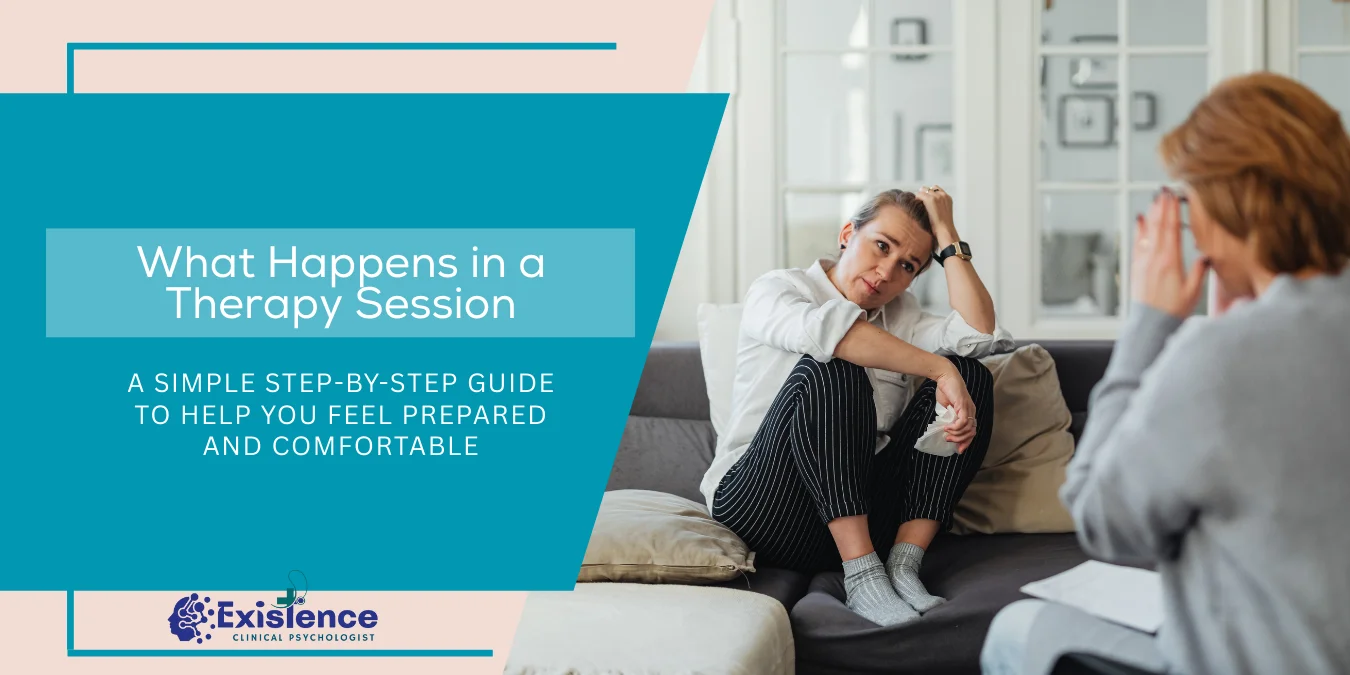
Starting therapy is a big step, and it’s normal to feel unsure about it. Many people want emotional support but don’t move forward because they don’t know what a therapy session actually looks like. This confusion often creates fear.
For some people, the hesitation comes from uncertainty. For others, it comes from past experiences or social beliefs around mental health. Whatever the reason, feeling unsure before therapy is more common than most people realise.
Therapy is not about fixing you. It is about understanding you, supporting you, and helping you feel better in your own way. This guide explains what happens in a therapy session in a simple and clear manner, so you know exactly what to expect.
Knowing what lies ahead often reduces fear and makes the first step feel more manageable.
Understanding the Fear and Hesitation Around the First Therapy Session
Before starting therapy, people usually feel nervous because of common worries like:
- Fear of being judged
- Not knowing what to talk about
- Worry about opening up emotionally
- Thinking therapy is only for serious problems
These thoughts are very natural, especially if you have never spoken to a mental health professional before. Many people worry they won’t say the “right” things or that they will be misunderstood.
These feelings are completely normal. Therapy does not force you to share anything before you are ready. You are always in control of what you say and when you say it.
The First Therapy Session Explained From Start to Finish
The first session focuses on comfort, understanding, and connection. It is more about listening than solving everything in one day. This session helps the therapist understand you as a person, not just your concerns. It also helps you decide whether you feel comfortable continuing therapy.
Creating a Comfortable and Safe Space
The session usually begins in a calm and friendly way. The therapist explains how therapy works, confidentiality rules, and what you can expect from sessions. This helps you feel safe and relaxed. Many people feel relieved once they realise there is no pressure to perform or explain everything clearly.
There is no pressure to speak perfectly or explain everything clearly.
Open Discussion of Your Concerns
You are gently encouraged to talk about:
- What brought you to therapy
- Situations that feel difficult or overwhelming
- Emotional struggles you may be facing
You don’t need to have everything figured out. Even sharing confusion or uncertainty is completely okay. You can take pauses, think, or even say you are unsure. All of that is okay.
Identifying Emotional and Thought Patterns
As you talk, the therapist listens closely and may reflect back patterns they notice. This helps both of you understand how your inner experiences affect your daily life. Over time, these observations help bring clarity without blame or criticism.
This helps both of you understand:
- How certain thoughts affect emotions
- How emotions influence actions
- What areas need support
This process builds awareness, not judgment.
Common Topics and Areas Explored by a Therapist
During therapy sessions, discussions often include everyday experiences and emotional responses rather than just major events.
During therapy sessions, discussions often include:
- Daily stress and anxiety triggers
- Emotional reactions to situations
- Relationship challenges
- Sleep, mood, and energy levels
- Past experiences affecting the present
You don’t need to prepare anything in advance. The conversation flows naturally and develops over time.
Building Clarity Through Therapist–Client Communication
Therapy works best when communication feels open and comfortable. Healthy communication helps therapy move at a pace that feels safe and supportive for you.
You are encouraged to:
- Ask about the therapy process
- Share what feels helpful or uncomfortable
- Discuss goals and expectations
- Talk about pace and comfort level
A therapist is there to guide you, not control the conversation.
Session Duration and Structure in Professional Therapy
Most therapy sessions last 45 to 60 minutes. This time is fully focused on you and your concerns. This dedicated time allows space for meaningful discussion without distractions.
Regular sessions help:
- Build trust
- Understand emotional patterns deeply
- Create meaningful and lasting change
Consistency is more important than rushing progress.
What Comes Next After the Initial Therapy Session
After the first session, the process usually becomes clearer and more comfortable.
After the first session:
- The therapist may suggest a therapy approach
- You may receive simple coping techniques
- Future session frequency is discussed
You also get time to reflect and decide whether you feel comfortable continuing. Therapy is always your choice.
Experience of Online Therapy Compared to In-Clinic Sessions
Both online and in-clinic therapy follow the same professional process. The main difference lies in the setting, not the quality of care.
Online therapy
- Allows sessions from home
- Offers flexibility and privacy
- Feels comfortable for many people
In-clinic therapy
- Provides a physical safe space
- Helps those who prefer face-to-face interaction
The quality of emotional support remains the same in both.
Therapy as a Support System Beyond Severe Mental Health Issues
Therapy is not only for people with serious mental health conditions. Many people seek therapy to better understand themselves and manage everyday challenges.
People seek therapy for:
- Ongoing stress
- Relationship difficulties
- Low self-confidence
- Emotional burnout
- Personal growth and clarity
You don’t need to reach a breaking point to ask for help.
Long-Term Emotional and Mental Benefits of Therapy
With regular therapy, people often experience gradual and meaningful changes in how they think and feel.
With regular therapy, people often experience:
- Better emotional understanding
- Improved stress management
- Healthier thinking patterns
- Stronger relationships
- Increased self-awareness and confidence
Healing takes time, but the progress is steady and meaningful.
How Existence Clinics Supports Your Therapy Journey
Feeling safe and understood is essential in therapy. At Existence Clinics, therapy is approached with empathy, respect, and professionalism.
Our experienced psychologists and therapists offer personalized care through both online and in-clinic sessions. We support individuals dealing with stress, anxiety, emotional struggles, and personal challenges in a calm and non-judgmental environment.
Taking the first step may feel difficult, but support is available when you’re ready.
Frequently Asked Questions
Ans: Yes. Feeling nervous is common, especially before the first session. Therapists understand this and create a safe, comfortable space to help you feel at ease.
Ans: You can talk about what you are feeling or what made you seek therapy. Even sharing confusion or hesitation is a good starting point.
Ans: Yes. Therapy sessions are confidential, and your privacy is respected. Confidentiality limits are explained clearly at the beginning.
Ans: The number of sessions depends on your concerns and goals. Some people benefit in a few sessions, while others prefer longer support.
Ans: Yes. Many people switch between online and in-clinic therapy based on comfort and availability.
Ans: Comfort is important. You can discuss concerns openly or choose a different therapist if needed.
Ans: No. Therapy is for emotional support, stress management, and personal growth. A diagnosis is not required.